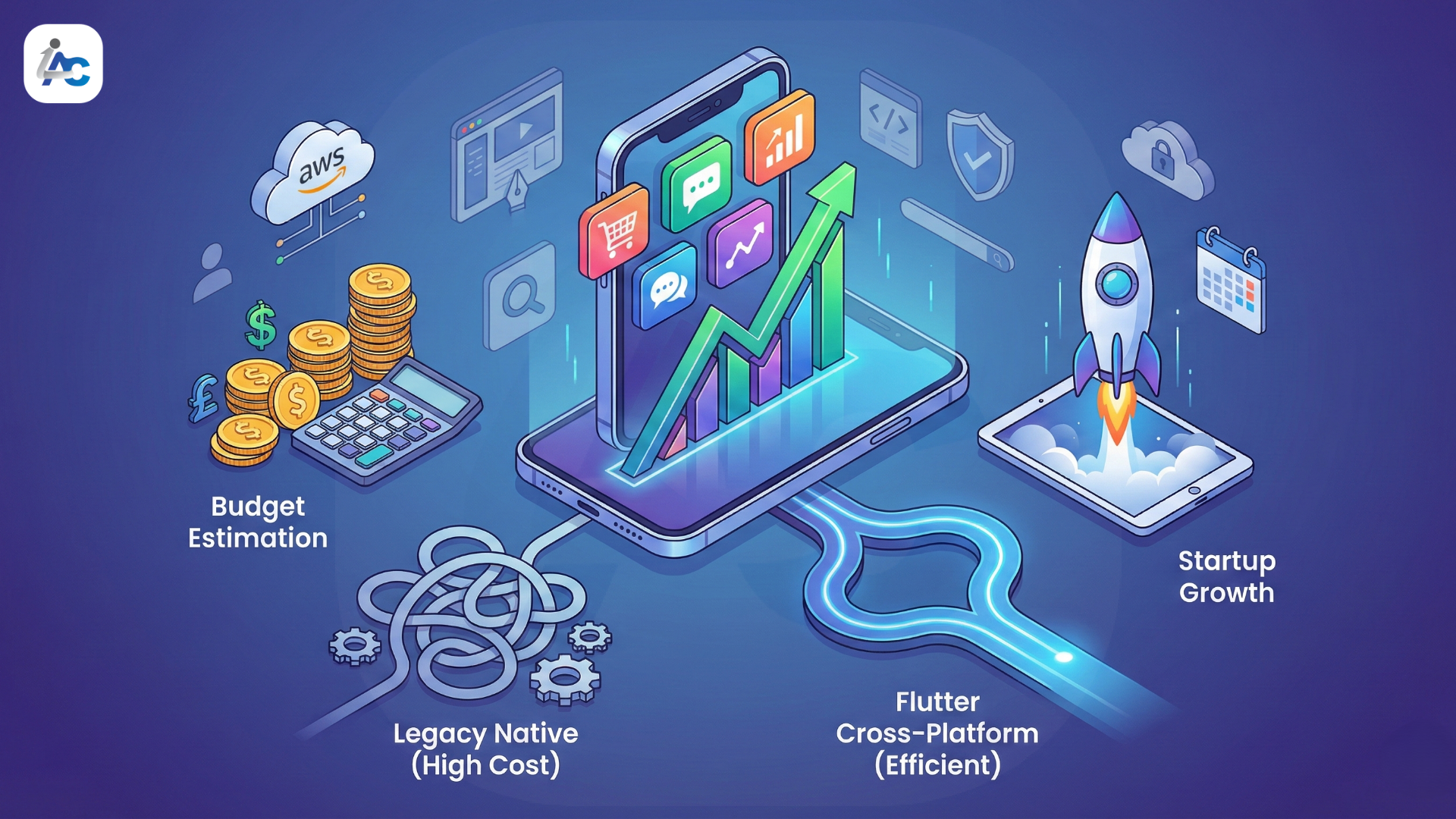


Navigating app development costs can be daunting. Discover essential insights and strategies to budget effectively for your next app project.
Factors Influencing App Development Costs
When embarking on an app development journey, it’s crucial to understand the myriad factors that can influence costs. One of the primary determinants is the complexity of the app itself. An app with a simple user interface and basic functionality will generally require less time and resources to develop compared to a feature-rich, complex application. The more features and integrations you want, the higher the development costs will be. For instance, adding functionalities like real-time chat, GPS navigation, and payment gateways can significantly escalate costs.
Another significant factor is the platform on which the app will be launched. Developing an app for a single platform, such as iOS or Android, is typically less expensive than creating a cross-platform app. This is because each platform has its own development environment, programming languages, and guidelines that must be adhered to. Consequently, developing a cross-platform app often necessitates additional time and expertise, thereby increasing costs.
Lastly, the geographical location of your development team can greatly impact costs. Developers in North America and Europe generally charge higher rates compared to those in regions like Asia and Eastern Europe. However, opting for cheaper labor doesn’t always translate to cost savings in the long run, as it might affect the quality and timeline of the project. Therefore, it’s essential to balance cost considerations with the quality and reliability of the development team.

Types of Apps and Their Cost Implications
The type of app you wish to develop will also play a crucial role in determining the overall costs. Broadly, apps can be classified into several categories, each with its unique cost implications. For instance, a basic informational app, which primarily displays static content and requires minimal user interaction, is generally the least expensive to develop. These apps often serve as digital brochures or online catalogs and require fewer resources.
On the other end of the spectrum are e-commerce apps, which are considerably more complex and thus more expensive to develop. These apps require robust backend systems to manage product listings, user accounts, payment processing, and order tracking. Additionally, they often need to integrate with various third-party services for payment gateways, shipping, and inventory management. The complexity of these integrations can significantly drive up development costs.
If you want to develop a mobile app, we are here to help! Contact us.
Gaming apps represent another category with diverse cost implications. Simple 2D games with basic mechanics can be relatively affordable to develop. However, as you move toward more complex 3D games with rich graphics, multiplayer capabilities, and in-app purchases, the costs can skyrocket. Developing such games requires specialized skills, advanced technology, and extensive testing, all of which contribute to higher expenses.
Breakdown of App Development Phases
Understanding the various phases of app development can provide valuable insights into how costs are distributed throughout the project. The first phase, often referred to as the discovery or planning phase, involves market research, requirement gathering, and feasibility analysis. During this stage, you will work closely with your development team to define the app’s objectives, target audience, and core features. This phase is crucial for laying a solid foundation and can account for approximately 10-15% of the total development costs.
Following the planning phase is the design phase, where the app’s user interface (UI) and user experience (UX) are crafted. This involves creating wireframes, mockups, and prototypes to visualize the app’s layout and flow. The design phase is critical for ensuring that the app is intuitive and user-friendly. Depending on the complexity of the design, this phase can account for another 15-20% of the total costs. Investing in a well-thought-out design can save time and money in later stages by minimizing the need for extensive revisions.
The development phase is where the bulk of the work happens and is often the most expensive stage. This phase involves coding the app’s frontend and backend, integrating APIs, and setting up databases. Depending on the app’s complexity, the development phase can consume 40-60% of the total budget. Following development, the app enters the testing phase, where it undergoes rigorous quality assurance (QA) to identify and fix bugs. Finally, the deployment phase involves publishing the app on app stores and ensuring it meets all guidelines and requirements. Post-launch, ongoing maintenance and updates are essential to keep the app functional and relevant, which can add to the overall costs.
Average Costs of App Development by Region
The geographical location of your development team can have a significant impact on the overall cost of app development. In North America, for instance, the average hourly rate for app developers ranges from $100 to $150. While the high rates often correlate with high-quality work and established expertise, they can quickly escalate the overall budget, especially for complex projects. Similarly, Western Europe also commands high rates, typically ranging from $80 to $120 per hour, due to the region’s strong emphasis on quality and innovation.
In contrast, Eastern Europe offers more budget-friendly options, with average hourly rates ranging from $25 to $50. Countries like Ukraine, Poland, and Romania have become popular outsourcing destinations due to their skilled workforce and cost-effective rates. While the lower costs may be appealing, it’s crucial to thoroughly vet developers to ensure they meet your quality standards and project requirements.
Asia, particularly India and the Philippines, offers some of the lowest rates, often ranging from $20 to $40 per hour. These regions have a vast pool of developers, making them ideal for cost-conscious projects. However, the lower rates can sometimes be a double-edged sword, as they may come with challenges such as time zone differences, language barriers, and varying levels of expertise. Therefore, it’s essential to conduct thorough research and due diligence when selecting a development team from these regions.
Hidden Costs in App Development
When budgeting for app development, it’s easy to overlook some of the hidden costs that can arise during the project. One such hidden cost is the expense associated with third-party integrations. Many apps require integration with external services such as payment gateways, social media platforms, and analytics tools. While these integrations can enhance the app’s functionality, they often come with additional costs, including subscription fees and setup charges.
Another often-overlooked cost is the expense of app store submissions. Both the Apple App Store and Google Play Store charge fees for app submissions. For instance, Apple charges a yearly fee of $99 for an individual developer account, while Google charges a one-time fee of $25. Additionally, if your app requires frequent updates or if you plan to release multiple apps, these fees can add up over time.
Legal and compliance costs are another hidden expense that can catch developers off guard. Depending on the nature of your app, you may need to comply with various regulations and standards, such as GDPR for data protection or PCI DSS for payment processing. Ensuring compliance often involves legal consultations and additional development work, both of which can increase your overall costs. Therefore, it’s essential to factor these hidden costs into your budget to avoid any unpleasant surprises down the line.
Cost-Effective Strategies for App Development
While app development can be expensive, there are several strategies you can employ to keep costs under control. One effective approach is to adopt an MVP (Minimum Viable Product) strategy. Instead of developing a fully-featured app right from the start, focus on creating a version with just the core functionalities. This allows you to launch the app quickly and gather user feedback, which can then guide future development. By prioritizing essential features and deferring non-critical ones, you can significantly reduce initial development costs.
Another cost-effective strategy is to leverage open-source technologies and pre-built solutions. Many open-source libraries and frameworks are available that can accelerate development and reduce costs. For instance, using a framework like React Native for cross-platform development can save time and resources compared to developing separate native apps for iOS and Android. Additionally, pre-built solutions for common functionalities like authentication, payment processing, and analytics can eliminate the need to develop these features from scratch.
Outsourcing can also be a viable option for cost-effective app development. By hiring a remote development team from a region with lower labor costs, you can achieve significant savings without compromising on quality. However, it’s crucial to choose a reputable outsourcing partner with a proven track record. Effective communication and project management are key to ensuring that the remote team aligns with your vision and delivers a high-quality product.
Choosing the Right Development Team
Selecting the right development team is one of the most critical decisions you’ll make during the app development process. A good starting point is to evaluate the team’s portfolio and past work. Reviewing case studies and client testimonials can provide valuable insights into their expertise and reliability. Look for a team that has experience in developing apps similar to yours, as this can reduce the learning curve and ensure a smoother development process.
Another important consideration is the team’s technical skills and capabilities. Ensure that the developers are proficient in the technologies and platforms relevant to your app. For instance, if you’re developing a native iOS app, the team should have strong expertise in Swift and Objective-C. Similarly, for an Android app, proficiency in Java and Kotlin is essential. Additionally, assess their knowledge of UI/UX design, as a well-designed app can significantly enhance user experience and engagement.
At iAC Studio, we provide Flutter App Development, ASO, SEO, Ready to Publish Unity Games, and Digital Marketing.
Communication and project management skills are equally important when choosing a development team. Effective communication ensures that your vision and requirements are clearly understood, reducing the likelihood of misunderstandings and costly revisions. Opt for a team that is transparent in their communication and provides regular updates on the project’s progress. Additionally, strong project management skills can help keep the development process on track and within budget, ensuring timely delivery of the final product.
Budgeting for App Maintenance and Updates
Once your app is launched, the journey doesn’t end there. Regular maintenance and updates are essential to keep the app functional, secure, and relevant. Budgeting for these ongoing costs is crucial to ensure the long-term success of your app. Maintenance typically involves fixing bugs, updating libraries and dependencies, and ensuring compatibility with new OS versions. These activities are essential for maintaining a smooth user experience and can account for approximately 15-20% of the initial development costs annually.
Updates are another critical aspect of post-launch app management. User feedback and market trends can necessitate the addition of new features and enhancements. Regular updates not only improve the app’s functionality but also keep users engaged and satisfied. Depending on the complexity and frequency of updates, these costs can vary widely. It’s essential to have a flexible budget that can accommodate unexpected updates and improvements.
Monitoring and analytics also play a vital role in post-launch app management. Implementing analytics tools allows you to track user behavior, app performance, and other key metrics. These insights can guide future updates and enhancements, ensuring that the app continues to meet user needs and expectations. While analytics tools often come with subscription fees, the investment is worthwhile as it provides valuable data to drive informed decisions and optimize the app’s performance.
Conclusion: Making Informed Decisions on App Development Costs
Understanding the various factors that influence app development costs is crucial for making informed decisions and budgeting effectively. From the complexity of the app and the platform choice to the geographical location of the development team, each decision can significantly impact the overall expenses. By breaking down the development phases and considering hidden costs, you can create a more accurate budget and avoid unexpected surprises.
Employing cost-effective strategies such as adopting an MVP approach, leveraging open-source technologies, and outsourcing can help manage costs without compromising on quality. Choosing the right development team is equally important, as their expertise and reliability can make or break the project. Don’t forget to budget for ongoing maintenance and updates, as these are essential for the long-term success of your app.
In summary, a well-planned and informed approach to app development can help you navigate the complexities and costs involved, ensuring a successful and cost-effective project. By considering all the factors and employing the right strategies, you can bring your app vision to life without breaking the bank.